


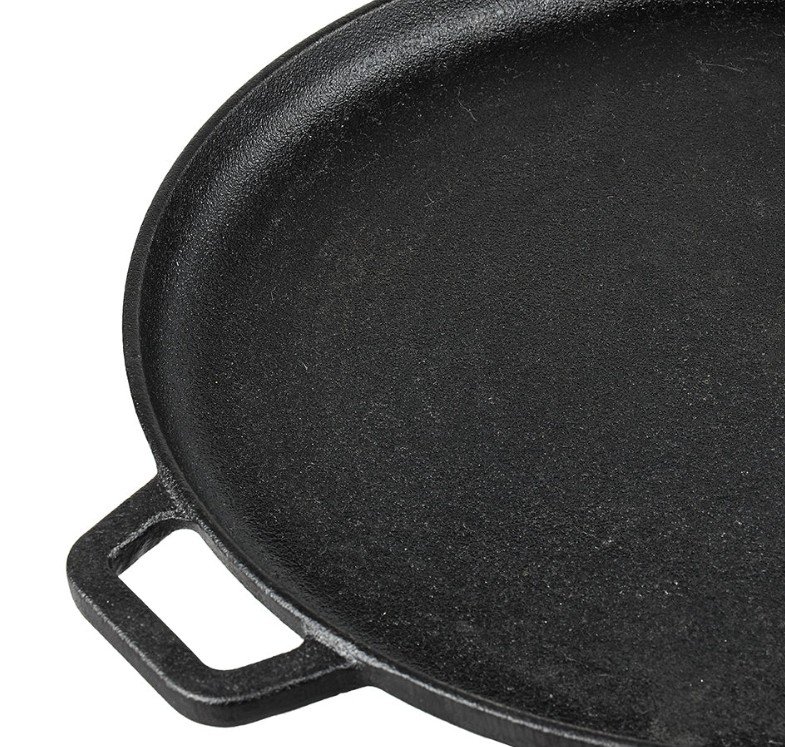
Cooking is an art, and the tools we choose often determine the quality of the dish we create. Among the essential kitchen utensils, the tawa holds a special place, especially in households that cherish fresh, homemade bread. Whether it’s for soft, fluffy tawa roti or crisp, golden parathas, having the right tawa can transform your cooking experience. However, one question often arises—can a single tawa be versatile enough for all heat sources? The answer is yes, and understanding why can make your culinary journey much smoother.
The Versatility of Modern Tawas
Traditionally, tawas were primarily used on gas stoves. These simple, flat pans made of cast iron or steel were perfect for cooking flatbreads, dosas, and pancakes. Yet, with modern kitchens incorporating induction, electric, and even ceramic cooktops, the need for a tawa compatible with multiple heat sources has become crucial.
A tawa suitable for all heat sources is typically crafted with a thick, even base that ensures consistent heat distribution. Materials like cast iron, hard-anodized aluminum, and stainless steel are preferred because they retain heat well and withstand high temperatures without warping. This versatility allows home cooks to seamlessly switch between stoves without compromising on the texture or quality of their tawa roti.
Why Material Matters
Choosing the right material is vital when looking for a tawa that works on various heat sources. Each material offers unique benefits:
- Cast Iron: Renowned for its heat retention and even cooking, cast iron tawas are excellent for high-heat cooking. They are perfect for achieving the ideal char on tawa roti. However, they require proper seasoning to prevent sticking and rusting.
- Stainless Steel with Non-Stick Coating: These tawas are lightweight, easy to clean, and suitable for induction stoves. The non-stick surface ensures that your rotis do not stick, making them ideal for everyday use.
- Aluminum and Hard-Anodized Tawas: These are highly durable, resistant to scratches, and distribute heat evenly. They are suitable for all stove types, including induction, and often come with a non-stick coating for convenience.
The key takeaway is that a tawa’s construction directly impacts its versatility. A well-made tawa eliminates the frustration of uneven cooking and allows you to prepare restaurant-quality tawa roti at home, regardless of your stove type.
Compatibility with Various Heat Sources
Modern kitchens often feature a mix of heat sources, including gas, electric, induction, and even ceramic. A tawa designed for all heat sources ensures that you do not need to buy multiple pans for different stoves.
- Gas Stoves: Traditional and widely used, gas stoves provide direct flame and rapid heat. A thick-bottomed tawa absorbs and distributes this heat evenly, preventing hot spots that can burn your rotis.
- Electric Stoves: Electric stoves heat gradually, so a tawa with excellent heat retention is essential. Materials like cast iron and hard-anodised aluminium are ideal because they maintain consistent cooking temperatures.
- Induction Cooktops: Induction cooking requires magnetic materials. Many modern tawas are induction-compatible, usually made of stainless steel or with an induction-friendly base. They cook tawa roti efficiently without sticking.
- Ceramic and Glass Stovetops: These delicate surfaces need tawas with a flat, smooth base to prevent scratches. Non-stick or anodized surfaces work best while ensuring even cooking.
By selecting a tawa suitable for all these heat sources, you gain the flexibility to cook anywhere, anytime, without worrying about compatibility issues.
Cooking the Perfect Tawa Roti
The essence of a good tawa roti lies in the balance of heat. Too low, and the roti becomes dry and undercooked; too high, and it burns quickly. A high-quality, multi-heat-compatible tawa provides the perfect cooking environment.
Before cooking, ensure the tawa is preheated adequately. A properly heated tawa allows the dough to puff up naturally, creating soft layers. For non-stick tawas, minimal oil is required, making the rotis healthier. Cast iron tawas, once seasoned, also offer a naturally non-stick surface while adding a slight smoky flavor that enhances taste.
Moreover, a tawa suitable for all heat sources is often heavier and more stable, reducing the chances of slipping or tipping during cooking. This stability is particularly helpful when flipping rotis quickly or using spatulas for delicate flatbreads.
Maintenance Tips
Even the best tawa requires proper care to ensure longevity. Here are some tips:
- Seasoning Cast Iron: Regular seasoning maintains a natural non-stick surface and prevents rusting.
- Cleaning Non-Stick Tawas: Avoid metal utensils and abrasive cleaning tools. Use soft sponges to prolong the non-stick coating.
- Avoid Sudden Temperature Changes: Drastic changes from hot to cold can warp the tawa, especially in metal or aluminium variants.
- Proper Storage: Keep your tawa in a dry place to prevent moisture buildup, which can affect longevity.
Conclusion
A versatile tawa suitable for all heat sources is a kitchen investment that pays off in both convenience and quality. Whether you are preparing a quick dinner, experimenting with new recipes, or perfecting your tawa roti, having a single tawa that adapts to any stove makes cooking seamless and enjoyable. The combination of durability, even heat distribution, and compatibility ensures that you can rely on your tawa for years to come.
Ultimately, the right tawa is more than just a cooking utensil—it is a bridge between tradition and modern kitchen innovation. By choosing a tawa that accommodates all heat sources, you empower your cooking to reach its full potential, creating perfectly cooked flatbreads and dishes every time.
